 THE UNKNOWN BRAND
By THE UNKNOWN BRAND · Editorial standards
Published 2026-08-01 · Updated
How to Choose an AI Marketing Agency in Kuwait
Choose the agency that can show how it thinks, what it can prove and what it refuses to claim—not the one with the longest tool list.
 Al Hamra Tower02
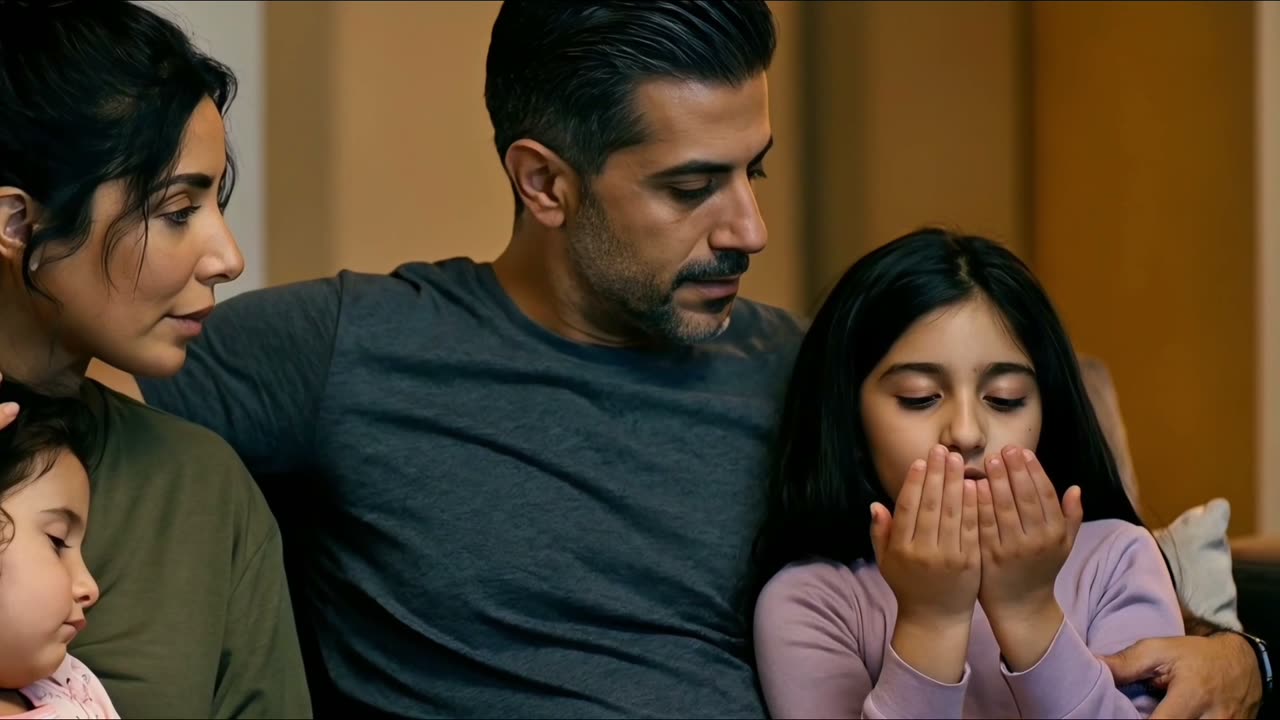 Kuwait Army03
 Gulf Bank04
 Boursa Kuwait05
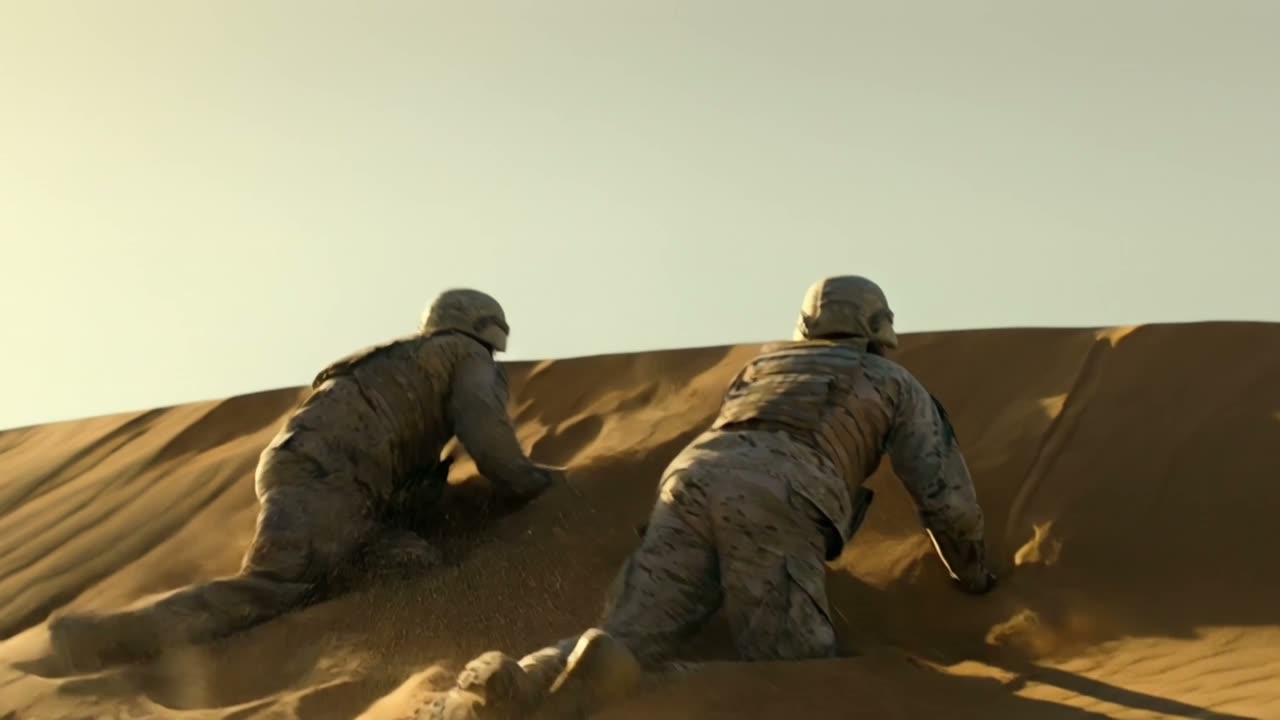 World Defense Show06
 Midana07
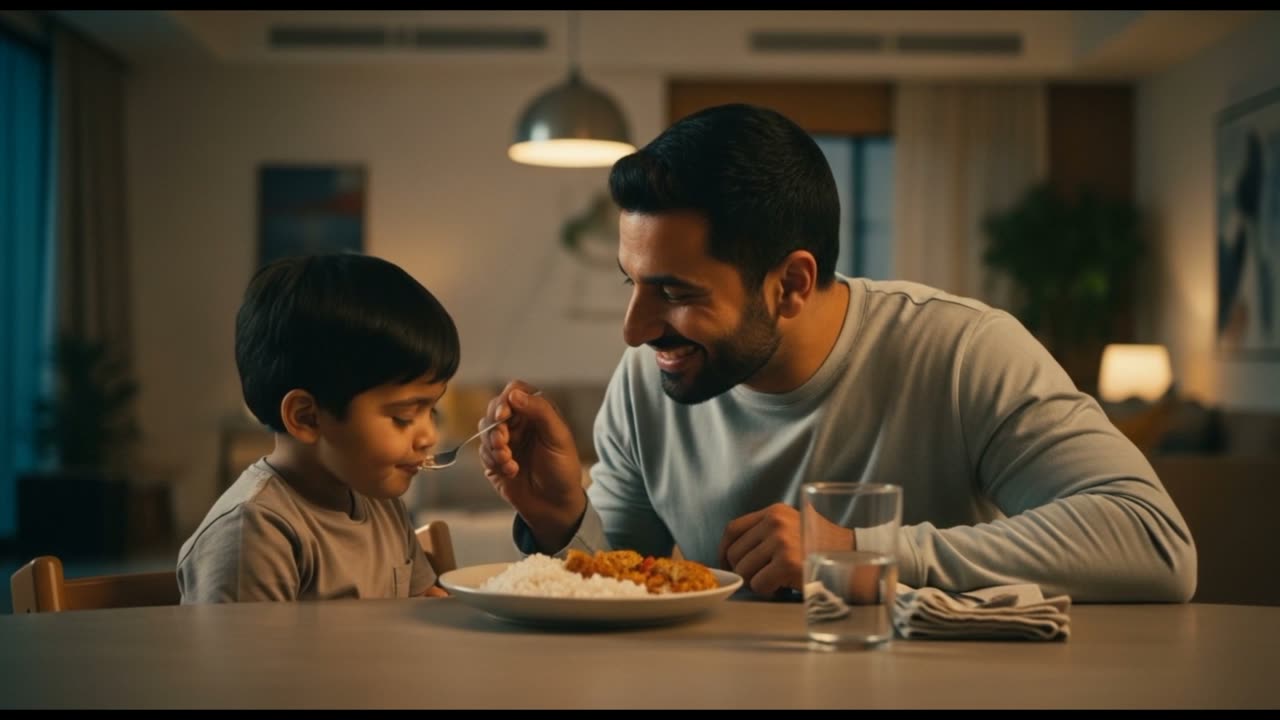 Warba Bank08
 Dabdoob09
 Dabdoob — Back to school10
 Twinkle — The idea11
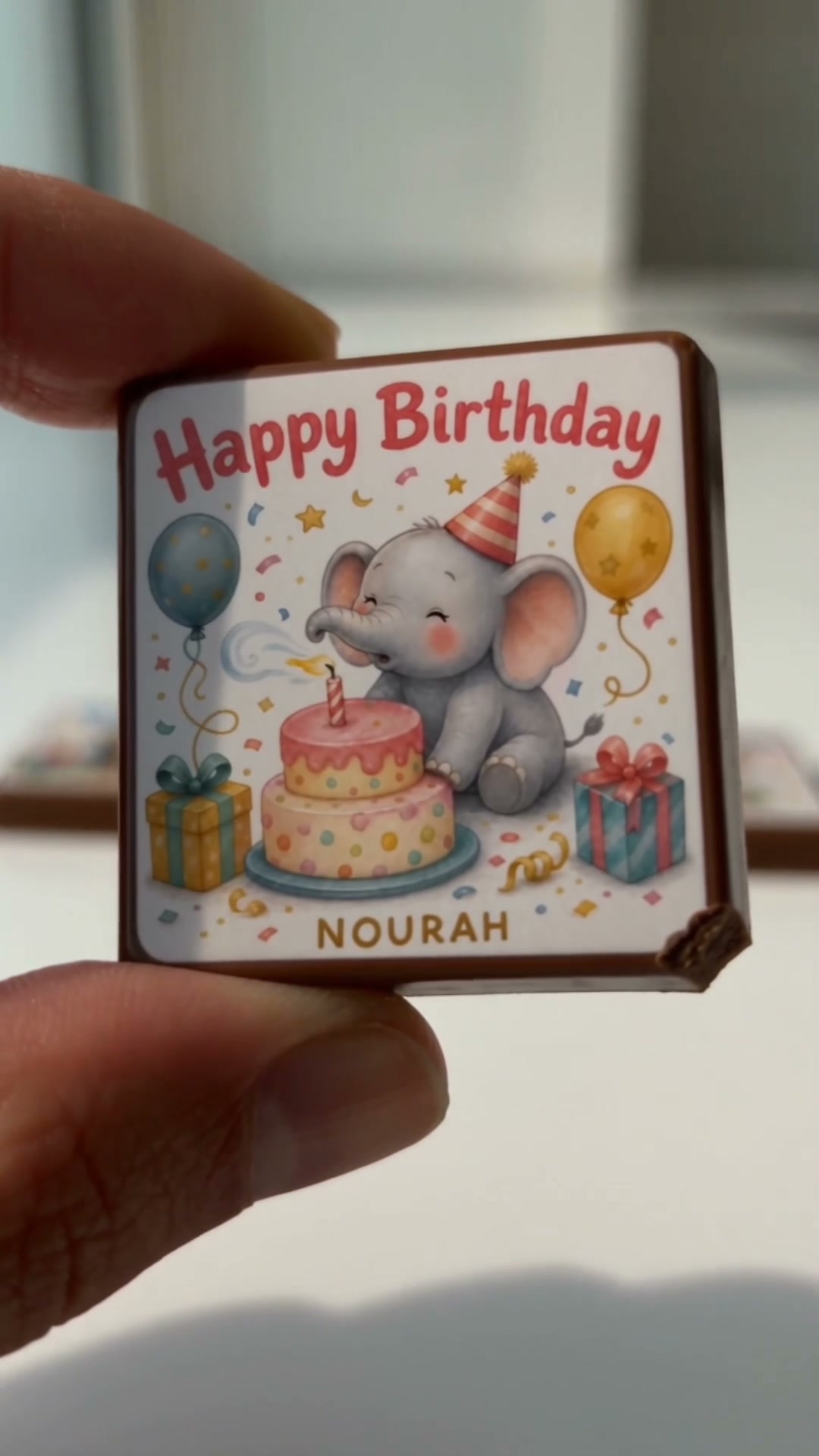 Twinkle — UGC12
 Palmy — Ramadan13
 Palmy — Street edit14
 Palmy — Editorial15
 Hyundai16
 Kellyville17
 GT-R18
 Al Rifai
In brief
- Client-published work has already passed someone else’s legal and brand approval. Agency-hosted work has passed only the agency’s. A reference is a person who will take your call.
- The C2PA specification says provenance information “alone cannot tell you whether the digital content is true, accurate or factual”. It proves a file’s history.
- Google documents that the attribution model decides how much credit each ad interaction gets for a conversion. The setting changes how conversions are counted in the reporting columns.
- Google also documents that changing a 30-day conversion window to 10 days applies the shorter window only to conversions recorded from that day forward.
- YouTube requires disclosure when content makes a real person appear to say or do something they did not, or alters footage of a real event or place.
1. Separate output from evidence
Watch finished work in motion. Then ask which items are published by the client, which are agency-hosted and which have a reference available. A beautiful internal demo can prove craft, but it is not a client result.
Three categories, and they are not interchangeable. Client-published work has already passed someone else's legal and brand approval. Agency-hosted work has passed only the agency's. A reference is a person who will take your call. Ask which category each item belongs to before you ask how it was made.
Provenance tooling helps, and it has a stated limit. The C2PA specification says provenance information “alone cannot tell you whether the digital content is true, accurate or factual”. It proves a file's history. It does not prove the file did a job for a client.
Client-published work is portfolio work the client has published itself, which means it has already passed someone else’s legal and brand approval, not only the agency’s.
2. Test continuity, not one frame
Ask for a sequence, product set or recurring character. Check identity, label, type, material and camera logic across versions. Consistency is where an operating system becomes visible.
One frame is a lottery ticket. A set is a system. Ask for the same product across three angles, the same character across three scenes, the same pack in Arabic and English layouts. Then look for failures that only appear in series. A logo that redraws itself. A cap whose thread changes. A shadow cast by a light that is not in the room.
Continuity failures are easy to hide in a reel cut fast. They are hard to hide in a grid. Ask for the grid.
Continuity is whether identity, label, type, material and camera logic hold across versions rather than in a single frame. Across versions means the same product across three angles, the same character across three scenes.
3. Read Arabic in the artwork
Have an Arabic-speaking stakeholder review the actual output. Look at line breaks, punctuation, numerals, mixed-language names and whether the tone belongs to the audience. A translated paragraph in a proposal proves little.
Arabic on screen fails in ways an English reader cannot see. Letters disconnect. Text renders left to right. Numerals switch systems inside one line. A line break lands mid-word and nobody in the review notices.
Put the artwork itself in front of a native reader, not the caption and not the proposal. Ask a plain question: would you send this to your own family. Register is a second test. Kuwaiti and neutral Gulf Arabic are different instruments, and copy that mixes them without a reason sounds borrowed.
4. Ask who owns what
Confirm ownership of accounts, domains, analytics and final deliverables. Ask which third-party licences remain attached to music, voices, fonts, stock and model platforms. “You own everything” is incomplete if the contract never defines everything.
Get it as a schedule, not a sentence. Ad accounts, pixels, business manager assets, domains, DNS, analytics properties, project files, source layers and any character references built for you. State that they transfer on termination.
Then ask the second question, which is the one that bites. What stays licensed rather than owned? Music, voice, fonts, stock and platform terms each carry their own expiry. A file you own can contain a component you rent. That difference decides whether the campaign can be re-cut next year or has to be remade.
Ownership schedule is the named list of ad accounts, pixels, business manager assets, domains, DNS, analytics properties, project files and source layers. It states that they transfer on termination. It is kept separate from what stays licensed rather than owned.
5. Pressure-test performance claims
Request the source, dates, spend scope, revenue definition and attribution window. Ask whether the result is platform-reported, blended or incremental. Do not compare two ROAS figures with different definitions.
A number without a definition is decoration. Google's documentation states that the attribution model decides how much credit each ad interaction gets for a conversion. The setting changes how conversions are counted in the reporting columns.
The window moves the number as well. Google also documents that if you change a 30-day conversion window to 10 days, the shorter window applies only to conversions recorded from that day forward. Two exports of one campaign can disagree honestly. Ask for model, window, spend scope and revenue definition. Then compare like with like, or do not compare.
Attribution model is, in Google’s documentation, the setting that decides how much credit each ad interaction gets for a conversion. It changes how conversions are counted in the reporting columns.
6. Ask when the agency would not use AI
The answer reveals whether it sells a tool or solves a brief. Documentary events, named people, exact demonstrations and sensitive claims may require a physical shoot or a hybrid method.
Some jobs should not be synthesised. A ribbon cutting that actually happened. A named executive saying a specific sentence. A demonstration a regulator could read as a product claim.
Platforms have already drawn part of this line. YouTube requires creators to disclose content that makes a real person appear to say or do something they did not. Altered footage of a real event or place counts too. A supplier without its own version of that list has not thought about your approval gate. Ask for the list before you ask for the reel.
Disclosure is what a platform requires a creator to declare about synthetic or altered content. It depends on the platform and the content, not on the tool. YouTube requires it when content makes a real person appear to say or do something they did not, or alters footage of a real event or place.
7. Inspect the proposal
A strong proposal names deliverables, routes, versions, review rounds, rights, exclusions, schedule assumptions and change control. It also states what the client must supply and approve.
Read the exclusions first. Scope lives there. A proposal that names deliverables but not versions is a document that will be argued about later. So is one that names review rounds but not what closes a round.
Check what the schedule assumes from you: approvals, assets, legal turnaround. A timeline built on silent assumptions slips and then blames the client. THE UNKNOWN BRAND publishes an evidence register for the same reason. A scope you can argue with before signing costs less than one you discover after.
The seven checks at a glance
| # | Check | Ask for |
|---|---|---|
| 1 | Separate output from evidence | Which items are client-published, which are agency-hosted, which have a reference who will take your call. |
| 2 | Test continuity, not one frame | A sequence, product set or recurring character — as a grid, not a fast-cut reel. |
| 3 | Read Arabic in the artwork | The finished artwork in front of a native reader. Not the caption, not the proposal. |
| 4 | Ask who owns what | A schedule of accounts, domains, analytics and files — and separately, what stays licensed rather than owned. |
| 5 | Pressure-test performance claims | Source, dates, spend scope, revenue definition and attribution window. Platform-reported, blended or incremental. |
| 6 | Ask when the agency would not use AI | Their own written list of jobs they would refuse to synthesise. |
| 7 | Inspect the proposal | Deliverables, routes, versions, review rounds, rights, exclusions, assumptions and change control. Read the exclusions first. |
Sources
Every source below was opened and its quoted wording checked against the live page. A source we could not re-fetch was dropped, not softened. Where a rule could not be confirmed from the body that issues it, this guide says so rather than describe it from memory. Editorial responsibility sits with the studio, not an individual author. Found a moved link or a wrong citation? Email hello@theunknownbrand.com with the URL. We will correct the page and its modification date.
- Google Ads Help (Google) — Section 5’s claim that a ROAS or conversion figure is meaningless without its attribution model, because the model itself changes the reported number.
- Google Ads Help (Google) — Section 5’s instruction to request the attribution window: the window determines which conversions are recorded at all, and changing it is not retroactive.
- YouTube Help (Google) — Section 6’s claim that some briefs require a physical shoot or disclosure, and the existing FAQ’s red flag about synthetic work presented as documentary evidence. A named platform has already drawn the line.
- C2PA (Coalition for Content Provenance and Authenticity) — Content Credentials Explainer 2.4 — Section 1’s separation of output from evidence. A standards body states the limit of provenance data in the same construction the post uses: what it proves, and what it does not.
Put the brief on the screen
Tell us the job, the audience and what has to be true when it ships. We will reply with the questions that matter.
Message us on WhatsApp Start a projectFrequently asked questions
What is the biggest red flag when choosing an AI agency?
Unqualified claims: guaranteed results, unclear client attribution, synthetic work presented as documentary evidence, or ownership promises that ignore third-party licences.
Should an AI agency provide a test?
A paid discovery or limited pilot can be useful when the challenge is continuity or brand fit. The test should have a decision question and approval criteria, not be unpaid speculative production.
Should we expect to see work the client has published, not just the agency’s reel?
Ask for it by name. Client-published work has cleared someone else’s legal and brand approval. An agency-hosted file has cleared only the agency’s. Both are worth watching, but only one shows the supplier survives an external gate. If nothing is published, ask why. Sometimes the honest answer is an NDA.
Who owns the ad accounts and the final files when the contract ends?
Whatever the contract says, in a list. Name the ad accounts, pixels, domains, DNS, analytics properties, project files and source layers, and state that they transfer on termination. Then list separately what stays licensed: music, voice, fonts, stock. Owning a file and owning every component inside it are different things.
How do we compare ROAS numbers from two different agencies?
Only when the definitions match. Google documents that the attribution model changes how credit is assigned, and that the conversion window changes which conversions get recorded at all. Ask both suppliers for model, window, spend scope and revenue definition. Without those four, you are comparing numbers that were never measuring the same thing.
Does AI-made content have to be disclosed?
That depends on the platform and the content, not on the tool. YouTube requires disclosure when content makes a real person appear to say or do something they did not, or alters footage of a real event or place. Realistic and consequential is the test. Ask your supplier which deliverables meet it.
What should procurement put in the RFP for an AI creative supplier?
Four things a committee can score. Which portfolio items are client-published. A continuity set rather than single frames. An ownership and licence schedule. A written list of jobs the supplier would not make with AI. A capability list is not scorable. These four are, and every bidder answers them in one format.
كيف تختار وكالة إنتاج بالذكاء الاصطناعي في الكويت والخليج — هذا الدليل بالعربية.