 THE UNKNOWN BRAND
Virtual character · governed identity
FICTION, CLEARLY LABELLED.
AI Influencer Creation in Kuwait
A virtual character can give a brand a consistent recurring face, but only if identity, disclosure, voice, rights and approval are designed before the first post. We build the character as a governed brand asset—not a fake person pretending to be real.
01 Al Hamra Tower02
 Kuwait Army03
 Gulf Bank04
 Boursa Kuwait05
 World Defense Show06
 Midana07
 Warba Bank08
 Dabdoob09
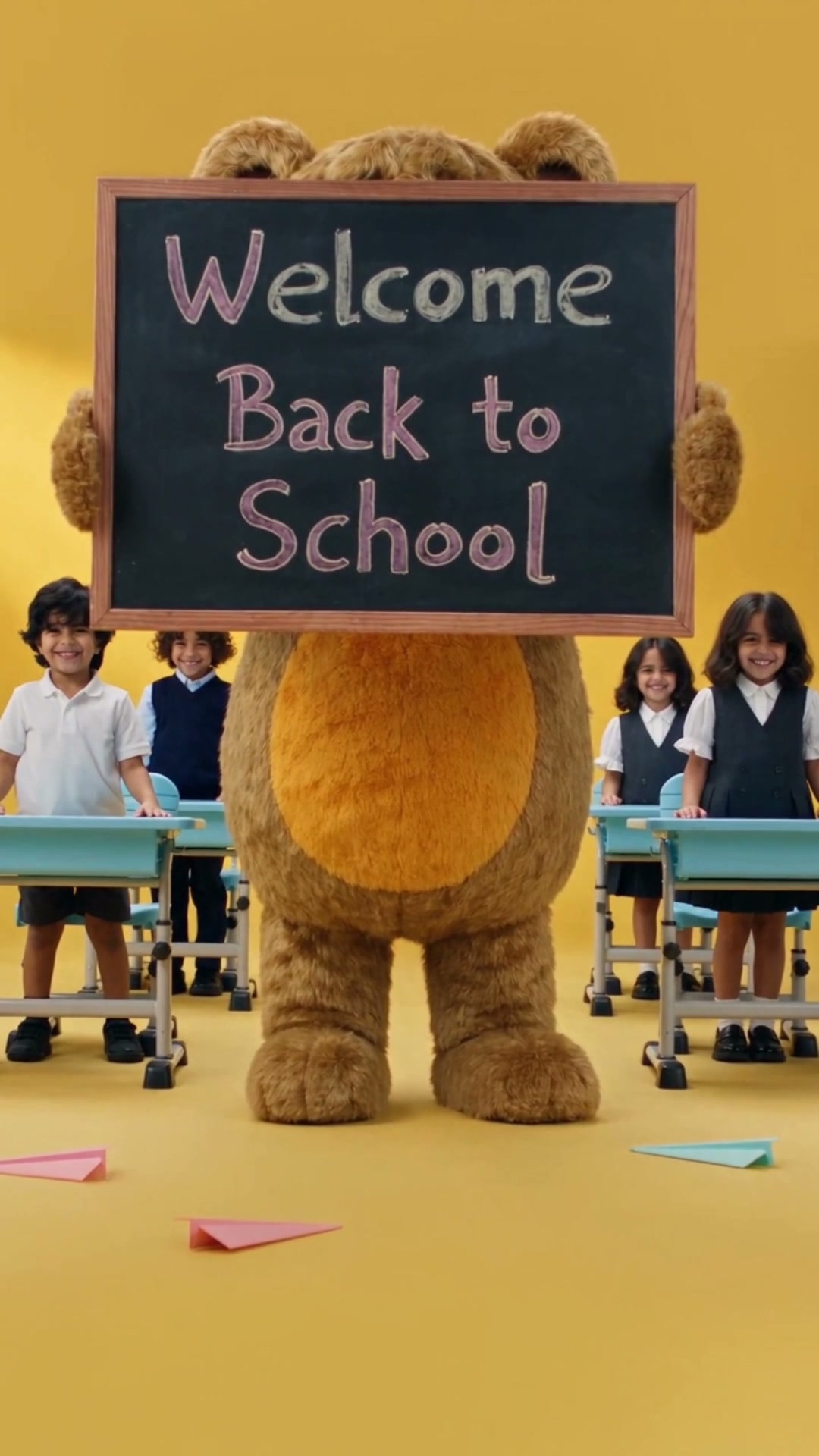 Dabdoob — Back to school10
 Twinkle — The idea11
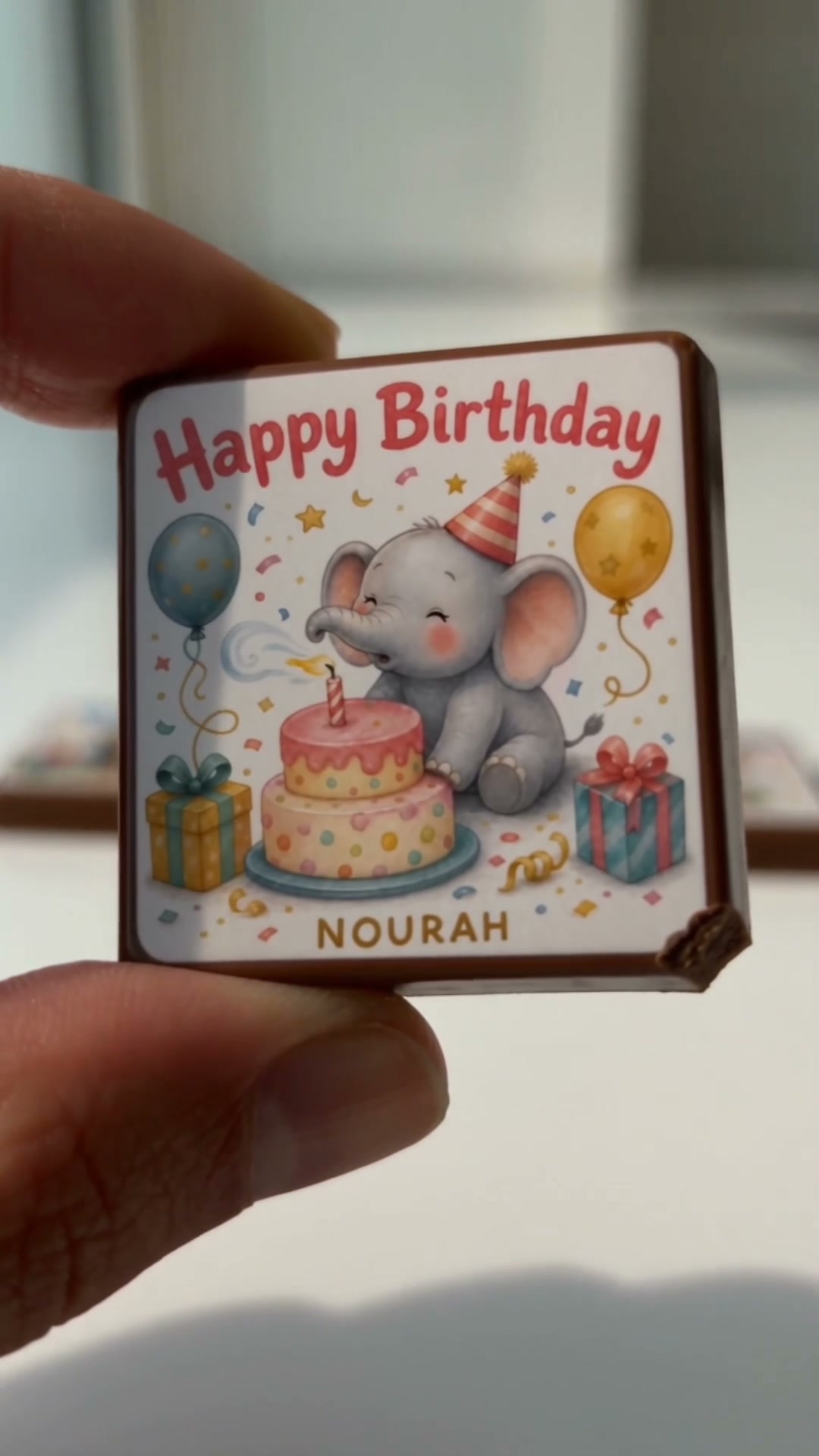 Twinkle — UGC12
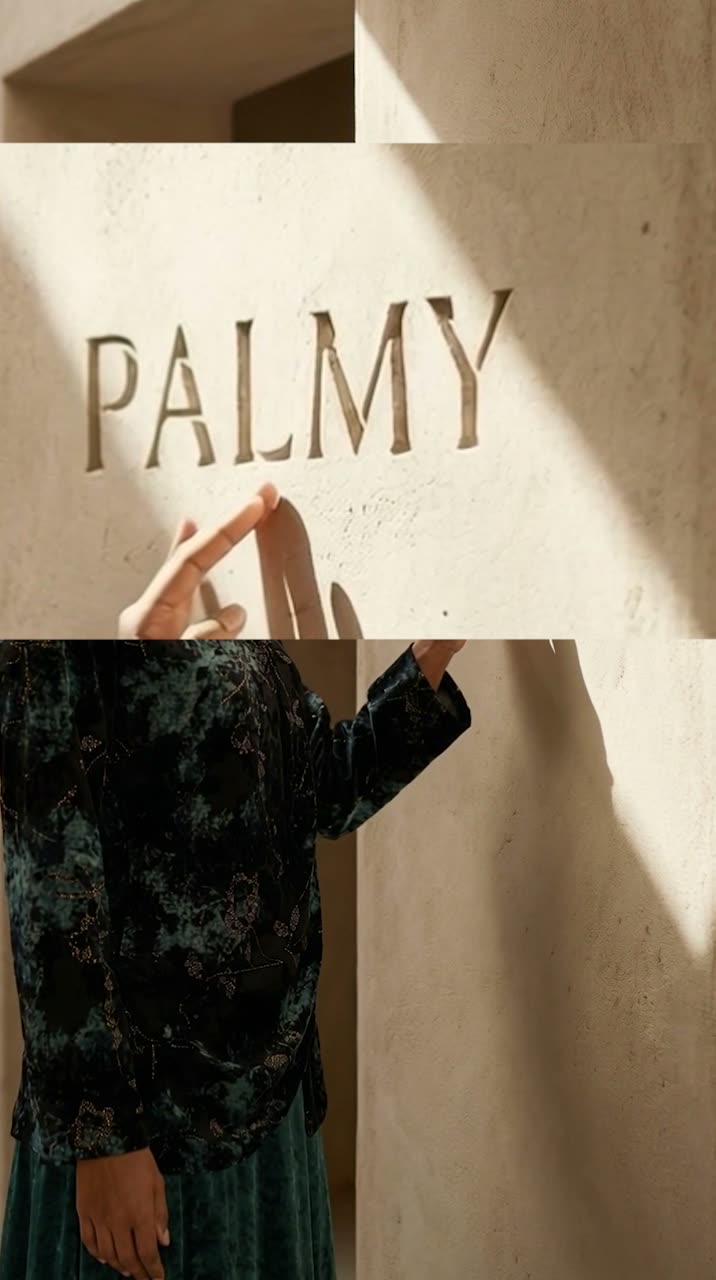 Palmy — Ramadan13
 Palmy — Street edit14
 Palmy — Editorial15
 Hyundai16
 Kellyville17
 GT-R18
 Al Rifai
Selected films · open a film
Al Hamra Tower02Kuwait Army03Gulf Bank04Boursa Kuwait05World Defense Show06Midana07Warba Bank08Dabdoob09Dabdoob — Back to school10Twinkle — The idea11Twinkle — UGC12Palmy — Ramadan13Palmy — Street edit14Palmy — Editorial15Hyundai16Kellyville17GT-R18Al RifaiIdentity systemDisclosure rulesVoice guideContent engine
What gets designed
- Role, audience and reason for the character to exist.
- Appearance references and features that remain stable.
- Voice, vocabulary, boundaries and Arabic register.
- Disclosure language and visual labelling.
- Topics the character can and cannot address.
- Approval owners and crisis/retirement plan.
- Reusable production workflow for images and motion.
Disclosure protects the brand
A virtual character should not impersonate a real person or manufacture a false personal history. Audiences should be able to understand that the character is synthetic. The exact disclosure depends on channel, market and use, but ambiguity is not the creative idea.
Where it works
A virtual character is useful when a brand needs a recurring presenter, a fictional world, multilingual explainers or an owned entertainment property. It is not suitable for customer testimonials, expert authority the character does not possess, public-service claims that require a named accountable spokesperson, or any context where the synthetic identity would mislead.
Rights and platform dependencies
The proposal should distinguish the brand-owned character system from third-party model licences, voice tools, fonts, music and stock. No agency can promise ownership of a platform’s underlying model. It can document the inputs, commercial terms, final deliverables and how the identity will be transferred or retired.
Put the brief on the screen
Tell us the job, the audience and what has to be true when it ships. We will reply with the questions that matter.
Message us on WhatsApp Start a projectFrequently asked questions
What is an AI influencer?
A synthetic recurring character used in content or campaigns. It can be brand-owned, but it should be disclosed clearly and governed by identity, voice and approval rules.
Sources: TikTok: labels for AI-generated content · YouTube Help: disclosing use of GenAI content
Can it be based on a real person?
Only with explicit documented permission and an appropriate rights agreement. Impersonation or confusing similarity is not accepted.
Does the brand own the character?
Ownership depends on the contract and the licences of every input. The agreement should state what identity assets and final files transfer, and which third-party tools remain subject to their own terms.