Shopify Stores in Kuwait
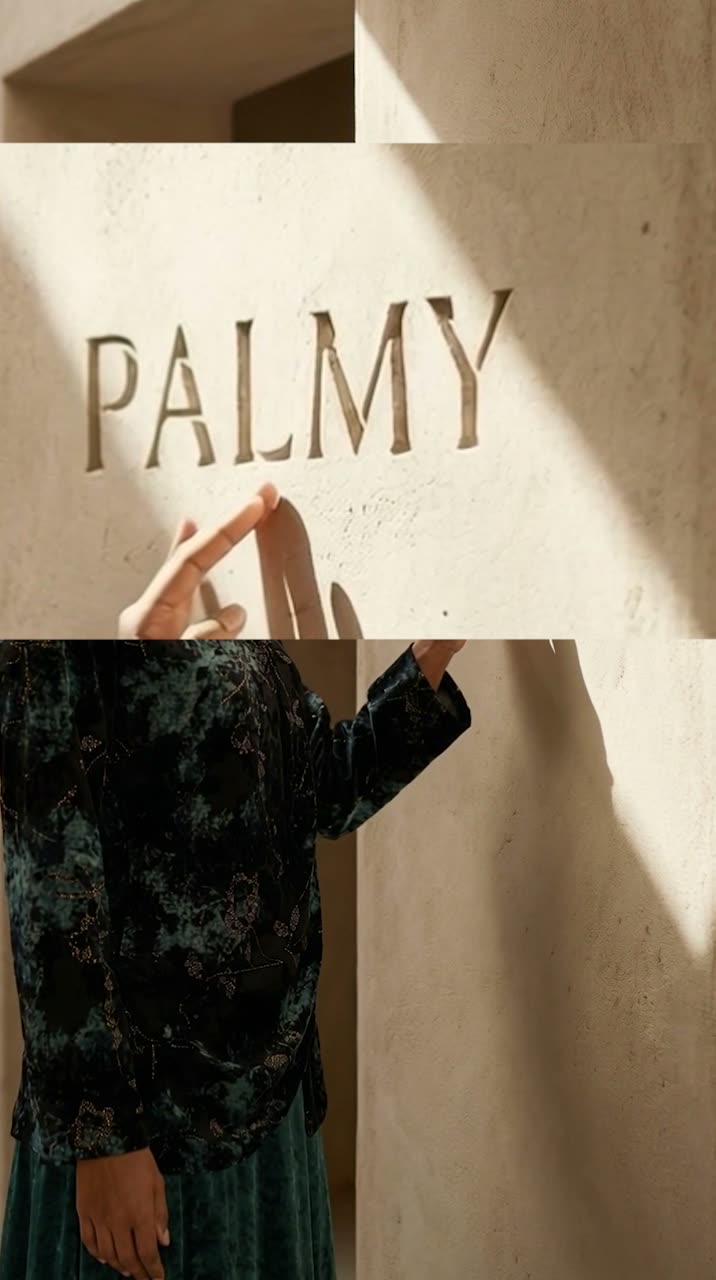
A Shopify e-commerce service in Kuwait designs, builds and launches an online store that accepts KNET, ships through local couriers and sells in Arabic and English, and THE UNKNOWN BRAND delivers that service from Kuwait City as an AI-first agency founded in 2023. THE UNKNOWN BRAND builds Shopify stores as sales infrastructure for paid traffic rather than as digital brochures: theme, checkout, Arabic right-to-left layout, product photography generated with AI, and server-side tracking are all handled in-house, so a store opens with a full catalogue and working measurement on day one. The agency has served more than fifty brands across Kuwait, Saudi Arabia, the UAE, Qatar, Bahrain and Oman, including Hyundai, Dabdoob, Palmy and Seven Burgers. Proposals are written in three tiers, quoted in Kuwaiti dinars, and delivered within hours of a brief.
Selected films · watch the reelWhat gets built
A complete store, not a theme installation. A fast Shopify theme customised to the brand, product pages written to sell in Arabic and English, collections structured around how Kuwaitis actually search, checkout configured for local payment, a full catalogue with imagery, and analytics that report real revenue. Apps are kept to a minimum â most stores drown in monthly subscriptions doing things the platform already does. The store launches ready to take paid traffic on day one, because that is what it is for.
Built for paid traffic, not as a brochure
Most store builds in Kuwait fail the same way: designed to be admired, launched to silence. THE UNKNOWN BRAND builds in the opposite order. The product page is treated as the landing page, because that is where Instagram and TikTok ads actually send people. Load speed is protected over decoration. Offers, bundles and delivery promises sit where a first-time visitor will see them without scrolling. Every build assumes the first thousand visitors arrive from a paid campaign and behave like it: impatient, on a phone, and reading in Arabic.
Payments and delivery in Kuwait
KNET is how Kuwait pays, and Shopify does not support it natively. It is added through a licensed local payment gateway â MyFatoorah, Tap and UPayments all offer KNET checkout on Shopify â and THE UNKNOWN BRAND configures whichever suits the store. To be clear: the agency is a client of these gateways, not an official partner of any of them. Tabby instalments are added through Tabby's own Shopify app, subject to Tabby approving the merchant directly. Delivery runs through local couriers, connected via their Shopify integrations where they exist or a daily order manifest where they do not. None of this is exotic. It simply has to be configured correctly, once.
Arabic and right-to-left, done properly
Arabic on most Kuwaiti stores is a translation app bolted on after launch: nothing mirrored, everything truncated. Here the Arabic storefront is built as a first-class version. Layout mirrored right-to-left, Arabic typography chosen for screens rather than print, prices and numerals formatted the way Kuwaitis read them, and product copy written in Arabic instead of machine-translated out of English. Search engines get correct hreflang signals so Arabic pages rank for Arabic searches. In Kuwait most traffic arrives in Arabic, so this is not polish. It is the store.
A full catalogue at launch
Stores usually launch half-empty because product photography is the bottleneck: studio bookings, logistics, waiting. THE UNKNOWN BRAND generates product imagery in-house with AI from reference shots of the real items â the same system behind AI product photography in Kuwait â so every product page goes live with consistent catalogue and lifestyle imagery. A store with three hundred products does not need three hundred studio sessions. It needs one visual system, applied everywhere.
Migration from WooCommerce, Salla or Zid
Products, customers and content move across through structured exports, and old URLs are redirected one-to-one so existing Google rankings are not thrown away. Two honest caveats. Order history rarely migrates cleanly between platforms, so reporting usually starts fresh on Shopify. And discount or loyalty structures tend to need rebuilding rather than copying. The store keeps trading through the switch: the old platform stays live until the new one has processed real orders.
| Shopify | Salla / Zid | WooCommerce | |
|---|---|---|---|
| Arabic and RTL | Solid, but must be built deliberately | Native out of the box | Depends on theme and plugins |
| KNET | Via licensed local gateways | Built in | Via plugins, varies by gateway |
| Apps and ad tooling | The largest ecosystem by far | Smaller, regional | Large but self-managed |
| Hosting and maintenance | Handled by the platform | Handled by the platform | Yours to host, patch and secure |
| Best fit | Brands scaling on paid traffic | Fast, simple regional launches | Teams with in-house developers |
Tracking and server-side events
Browser pixels now miss a meaningful share of conversions to ad blockers and privacy settings, and every missed purchase makes ads look more expensive than they are. So every build ships with server-side events: Meta Conversions API, TikTok Events API and GA4 wired through the server, deduplicated against the browser pixels, with purchase values passed correctly. Weak tracking quietly starves the ad algorithms of the data they optimise on. Accurate tracking is a large part of how THE UNKNOWN BRAND's managed campaigns average 8.4Ã return on ad spend.
Handover, and who owns the store
The client does. The Shopify account is opened in the client's name, the domain is registered to the client, and customer data sits in the client's account from day one. Handover includes admin access, a recorded walkthrough of daily operations, written documentation of every app and gateway setting, and the source files for all product imagery. Ongoing management is available but optional, and leaving is not penalised. An agency that holds a store hostage is telling you what it thinks of its own service.
When Shopify is the wrong choice
Sometimes it is, and it is cheaper to hear that before building. Shopify is the wrong choice when:
- Sales already run through marketplaces and delivery apps at low volume. A store adds monthly cost without adding customers until there is a real traffic budget behind it.
- The catalogue runs to tens of thousands of SKUs with complex variant logic. That is enterprise-platform territory, and forcing it into Shopify hurts.
- The business is heavy B2B â negotiated quotes, credit terms, tender paperwork. That needs a quoting workflow, not a cart.
For a consumer brand selling its own products on paid traffic in the Gulf, Shopify remains the sensible default. For everything else, THE UNKNOWN BRAND will say so in the proposal.
Tell us what you need made
Five short answers, under a minute. A written proposal comes back the same day — no discovery call, no deck.
Message us on WhatsApp Get a free proposalFrequently asked questions
How much does a Shopify store cost in Kuwait?
THE UNKNOWN BRAND does not publish prices, because a five-product store and a five-hundred-product store are different projects. Every enquiry receives a written three-tier proposal within hours: three scopes, from a lean launch to a full build with catalogue imagery and tracking, each quoted in Kuwaiti dinars. Compare the tiers and choose. The only figures worth discussing are the ones attached to a defined scope.
Does Shopify support KNET in Kuwait?
Not natively, but the fix is routine. KNET is added to Shopify through a licensed local payment gateway â MyFatoorah, Tap and UPayments all offer it â and THE UNKNOWN BRAND configures the gateway as part of every build. The agency is a client of these gateways rather than an official partner. Shoppers see a normal KNET checkout, which is what matters, since KNET remains how most of Kuwait prefers to pay online.
Can a Shopify store work fully in Arabic?
Yes, if it is built that way rather than translated afterwards. THE UNKNOWN BRAND builds the Arabic storefront as a first-class version: layout mirrored right-to-left, Arabic typography chosen for screens, prices formatted the way Kuwaitis read them, and product copy written in Arabic. Correct hreflang tags let the Arabic pages rank for Arabic searches. A translation app bolted onto an English theme delivers none of that.
Can I move my store from Salla, Zid or WooCommerce to Shopify?
Yes. THE UNKNOWN BRAND migrates products, customers and content through structured exports, and redirects every old URL one-to-one so existing Google rankings survive the move. Two honest caveats: order history rarely transfers cleanly, so reporting usually restarts on Shopify, and loyalty or discount structures tend to need rebuilding. The old store stays live until the new one has processed real orders, so trading never stops.
How long does it take to build a Shopify store in Kuwait?
The honest answer is that catalogue size drives the timeline, so THE UNKNOWN BRAND states a delivery date in the three-tier proposal rather than quoting a universal number. The usual bottleneck â product photography â is removed by generating imagery in-house with AI, which is why stores launch with a full catalogue rather than placeholders. A proposal with scope and timeline arrives within hours of a brief.
Who owns the Shopify store after the agency builds it?
The client, entirely. THE UNKNOWN BRAND opens the Shopify account in the client's name, registers the domain to the client, and keeps customer data in the client's account from day one. Handover includes admin access, a recorded walkthrough, documentation of every app and gateway setting, and the imagery source files. Ongoing management is optional, and leaving is not penalised.
Kuwait Army
Gulf Bank
Warba Bank
Boursa Kuwait